
My brother stood next to me at the kitchen counter examining an airtight mason jar filled with what could’ve easily been sea monkeys or human thumbs.
“Wait, what is it?” he asked for a second time.
“It’s a preserve. A grapefruit preserve,” I replied, simply and nonchalantly. Even though I too had no idea what that meant.
“No, I know. You keep saying that. I get it’s a ‘preserve’. But, what is a preserve? What am I looking at here?” he pressed.
Frustrated, I fumbled some sort of explanation about putting it on toast or marinating it on fish, then quickly excused myself to the pantry telling him I needed to burp it in private.
A citrus preserve.
Not quite a jam. Not necessarily a marmalade. Not really pickled either.
It’s a grey area that has me still a bit confused.
But from the likes of Samin Nosrat or Alice Waters it looked easy. Inspirational. Aspirational. The sort of no brainer thing one keeps on hand like homemade granola or bone broth.
A rotating jar of fermented citrus. Why not? My life’s under control. I pay my taxes.
So, off to the kitchen I went. Determined to chip away at Barb’s bumper crop.
Where I went wrong is still unclear. I followed the directions carefully. I cut, salted, packed, and sealed my jar of grapefruit tightly. I then handed the outcome over to science like I was told to do.
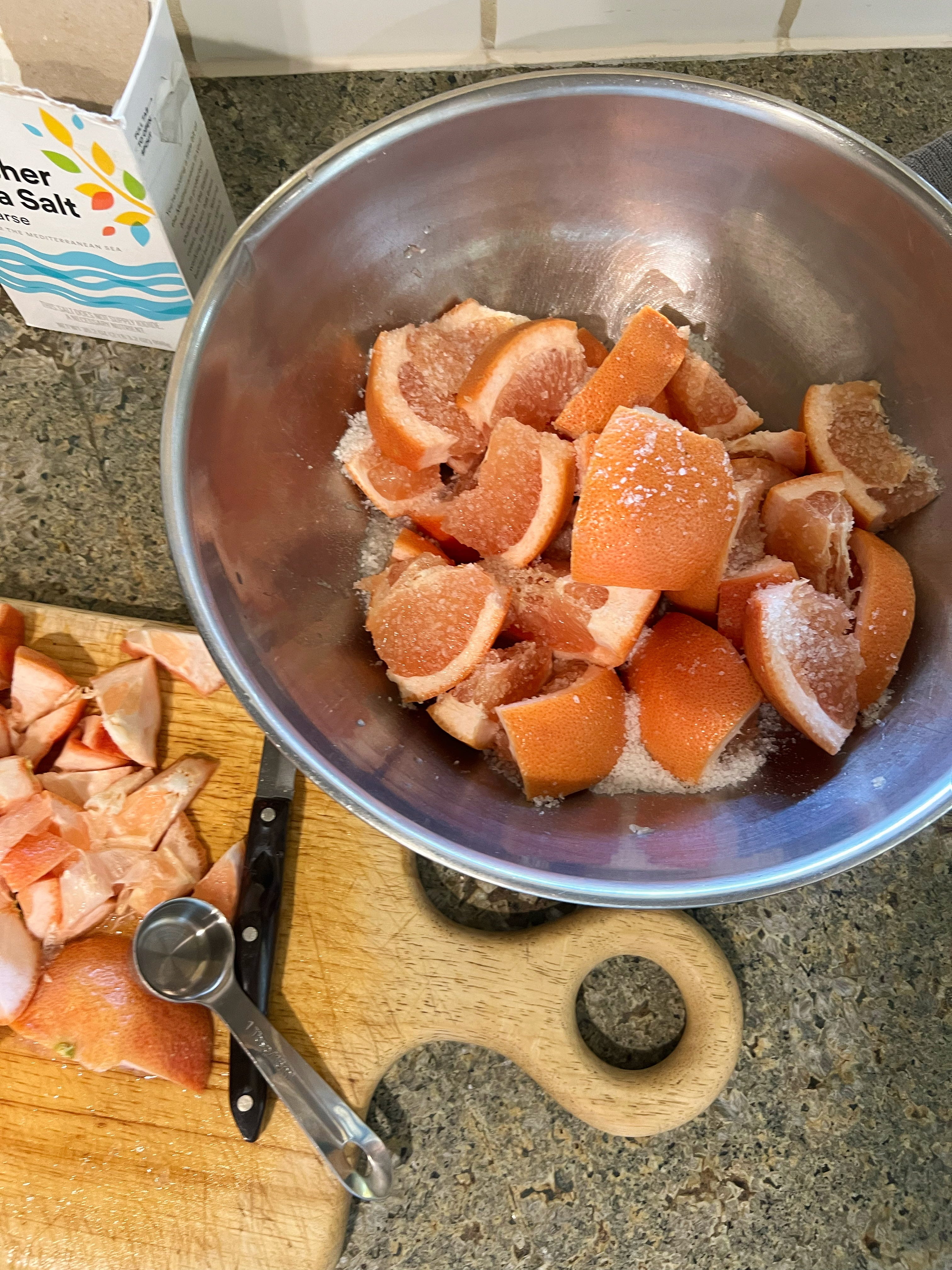
And then, slowly but undeniably, it turned into a horror show that I can only describe as living, incredibly pungent, and possibly explosive….
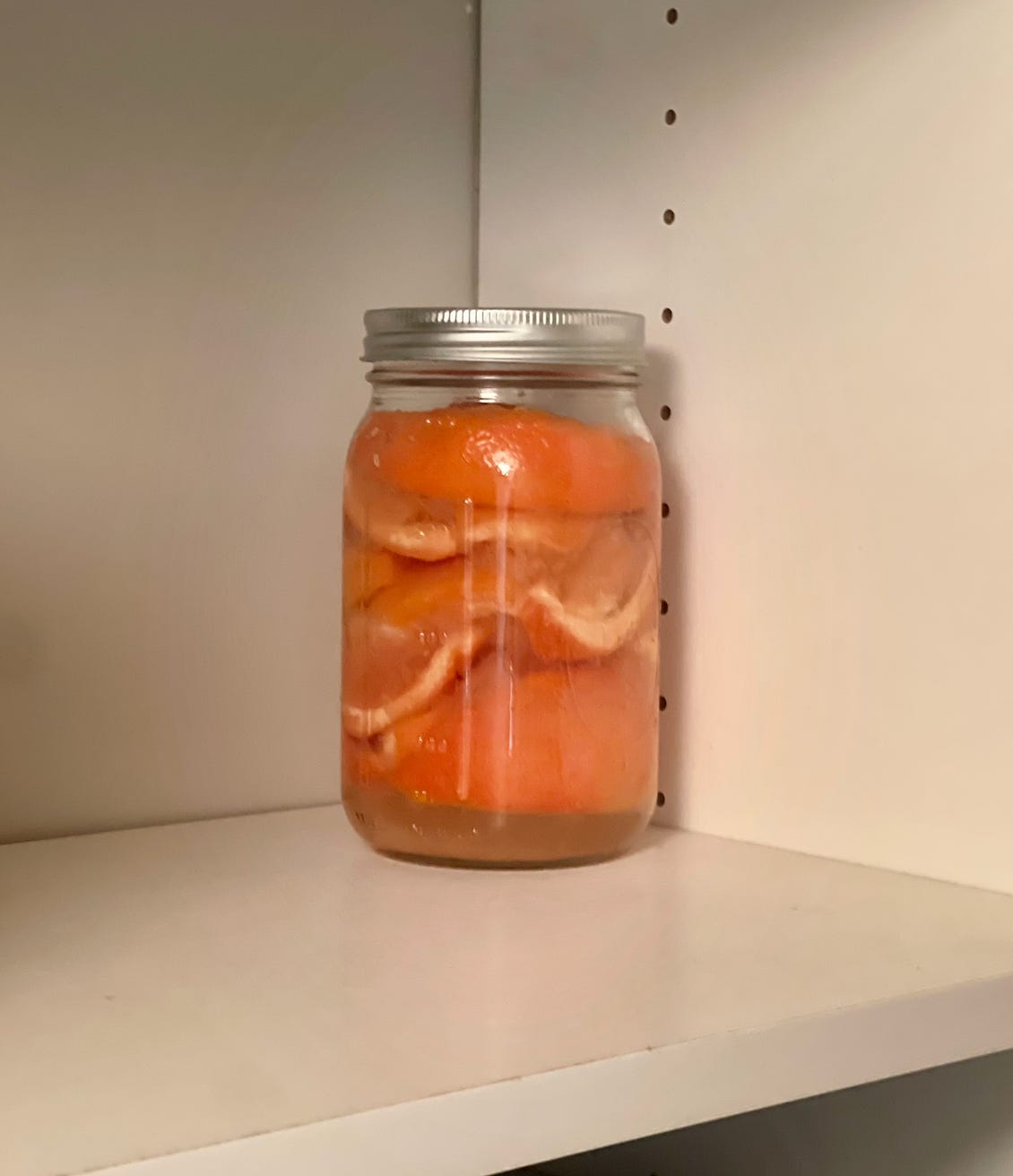
Were the piths too thick? Was the water-to-salt ratio off? Did I miss the part about having a séance before I packed her shut? I’ll never know.
But the final product cleared my entire family out of the kitchen with groans of, “Why did I do this?”
It was humbling. And I had to quickly shift gears.
I needed something ferment-adjacent. Something safer, quicker, and far less likely to grow legs and walk out of the kitchen.
That’s when I stumbled on grapefruit marmalade.
The entry-level preserve. The preserve for those who like to sleep soundly at night. A beginner’s brew that needs little explanation besides, ‘Hand me a piece of toast’.
I bring you…
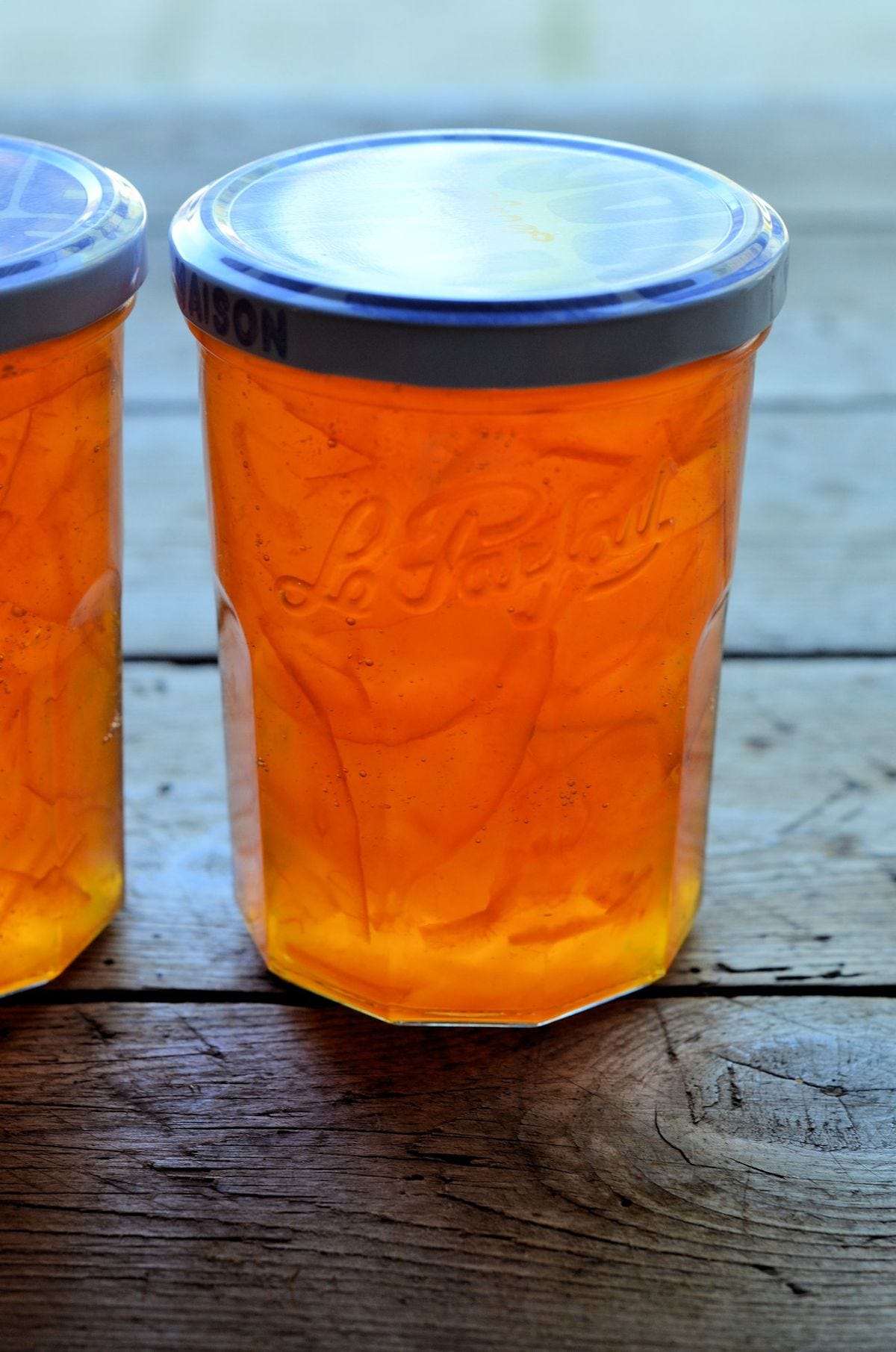
The 48 Hour Grapefruit Marmalade 🍊🍯
Definition: the flesh and peel of a whole citrus fruit, cooked down with sugar until thick and spreadable. A bittersweet flavor that makes you understand why the Brits take breakfast so seriously.
Beyond toast ideas:
Glaze it over chicken drumsticks or a Christmas ham. (We’ll circle back to this in December.)
Use it as a marinade for chicken
Sauce it over pork tenderloin
Spread it on toasted crostini with goat cheese and prosciutto
Brush it over baked lemon cake
Spoon it over baked Brie
Gift it to your neighbor after accidentally slamming your car door into theirs
Ingredients:
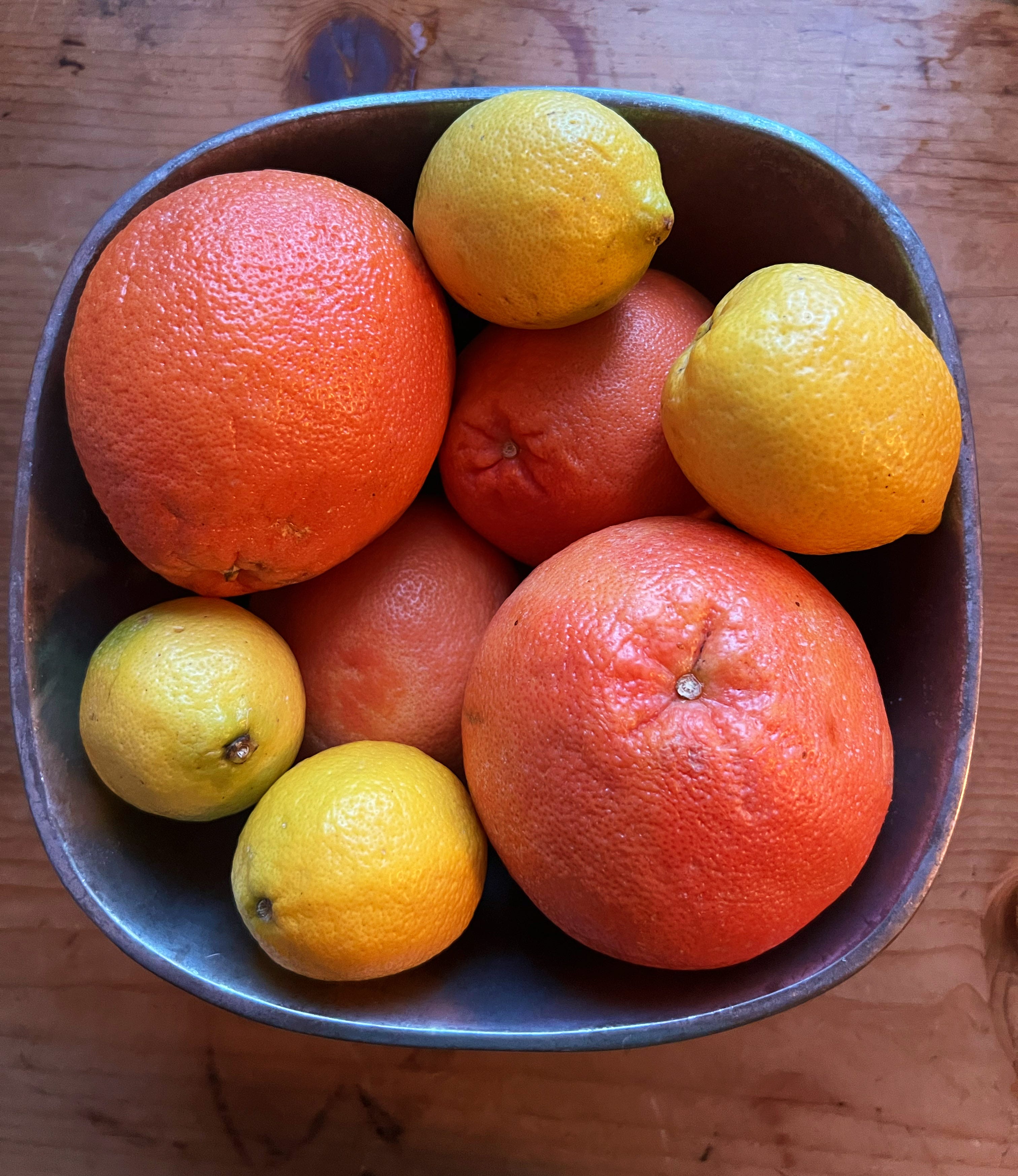
500g (1lb) grapefruit
1 large lemon
6 cups (1.5 litre) water
8 cups (1.8kg) sugar
Instructions:
Place a few small saucers or plates in the freezer. You’ll use them later in the recipe.
Sterilize a few 64oz mason jars. Check that the metal lids don’t have rubber inserts. Preheat oven to 270F and place jars in oven for 15-20 minutes before cooking your grapefruit.
Thoroughly wash your grapefruit and lemon. Remove each end of both fruits. Cut both into quarters lengthwise. Holding two quarters together, slice them as thinly as possible. Remove any seeds as you go.
Place the slices in a non-reactive bowl (glass, ceramic, stainless steel). Avoiding bare cast iron, aluminum and copper. Add 6 cups of water. I personally don’t have a bowl that fits 6 cups, so I did 3 cups and added the remaining 3 cups the following day.
Place a dinner plate, plastic wrap or loose lid over the top and let it sit overnight, but no longer than 24 hours.
The following day, place the fruit and water into a very large, non-reactive saucepan. I used my Le Cruset Dutch oven, which has an enameled interior.
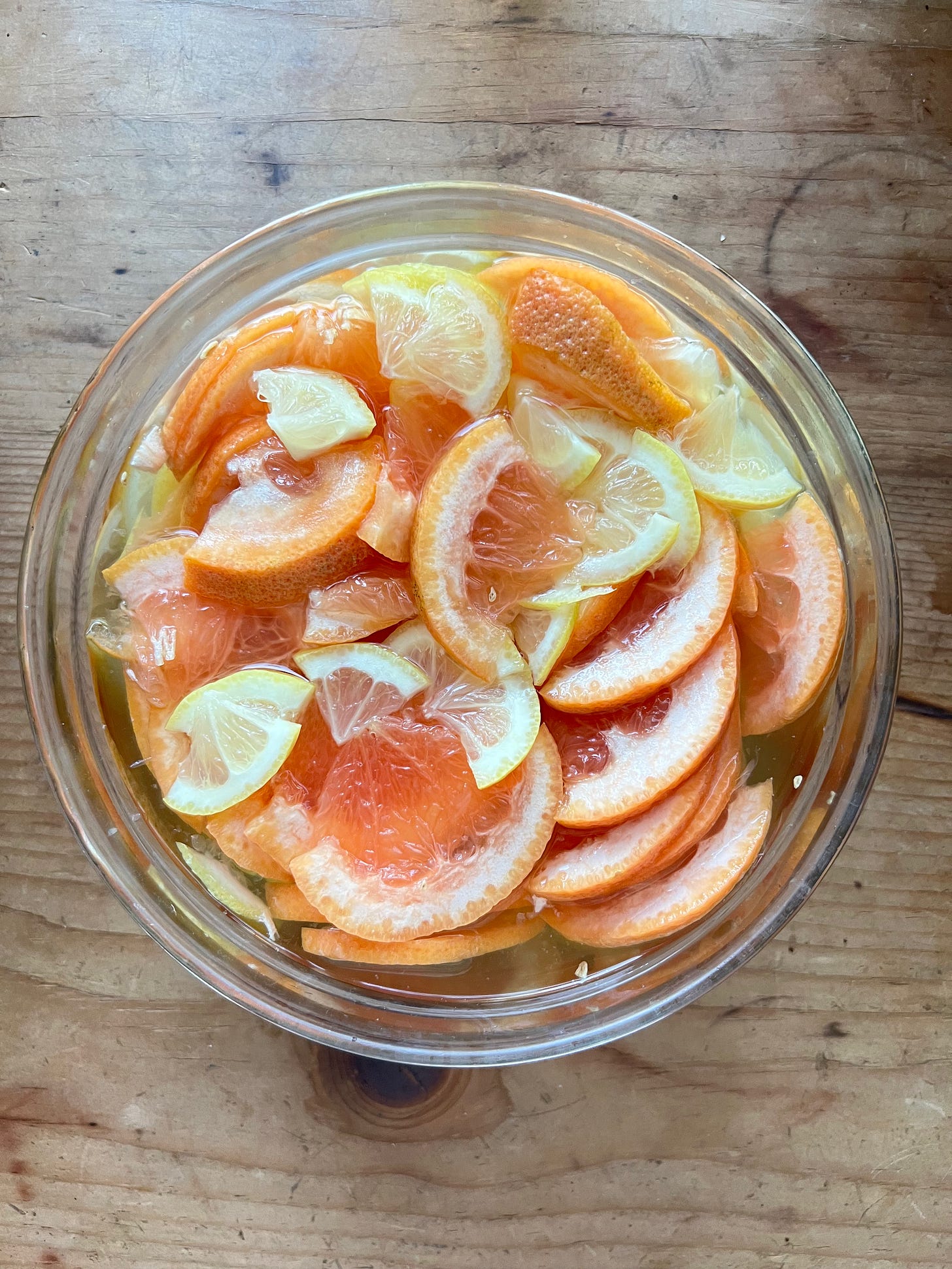
Over medium heat, bring the fruit and water to a boil. Rapidly boil for 15 minutes, or until peel is tender, stirring occasionally with a long-handled wooden spoon.
Add the sugar and stir well until it completely dissolves. Return the fruit to a boil, stirring occasionally. Continue to stir until the marmalade reaches the setting point - about 10 minutes. When the aggressive bubbles die down to a gentler boil, it’s an indication that your marmalade has reached its setting point.
Remove the marmalade from the heat to conduct the wrinkle test. If not set, continue to boil for another minute and then test again.
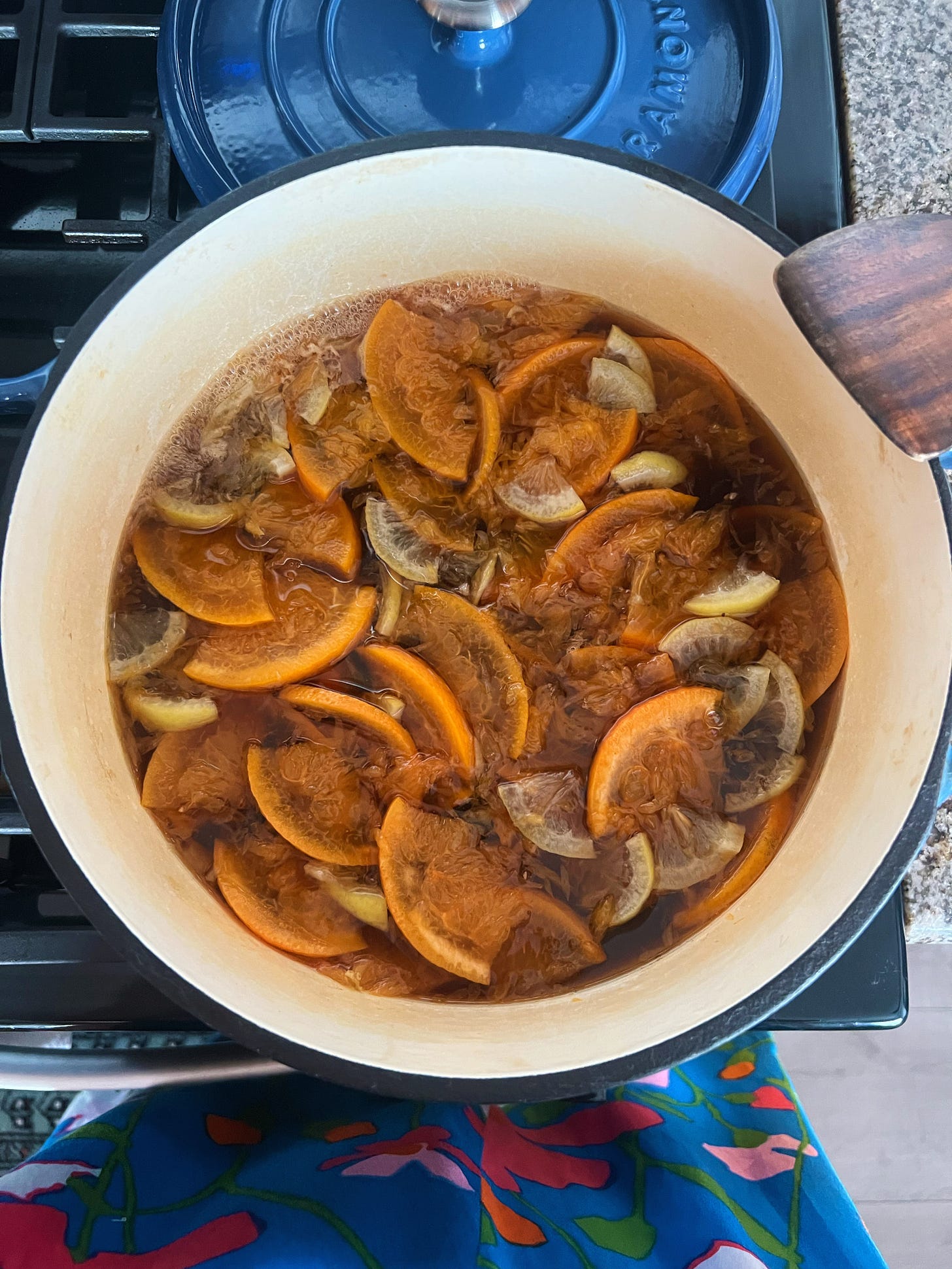
This step will make your kitchen smell amazing Test the setting point by using the “wrinkle” test. Take out the plate from the freezer and pour a small amount of marmalade onto it. Let it cool for a minute, then push against the marmalade with the tip of your finger. If the surface wrinkles slightly, the marmalade has reached its setting point.
Let the marmalade stand for about 10 minutes, allowing the grapefruit to settle.
Remove the jars from your oven and carefully ladle the marmalade into the heated, sterilized jars. Try to fill the jars as full as possible to minimize the amount of air between the marmalade and the lid. The marmalade should not touch the lid. Seal the jars tightly once filled.
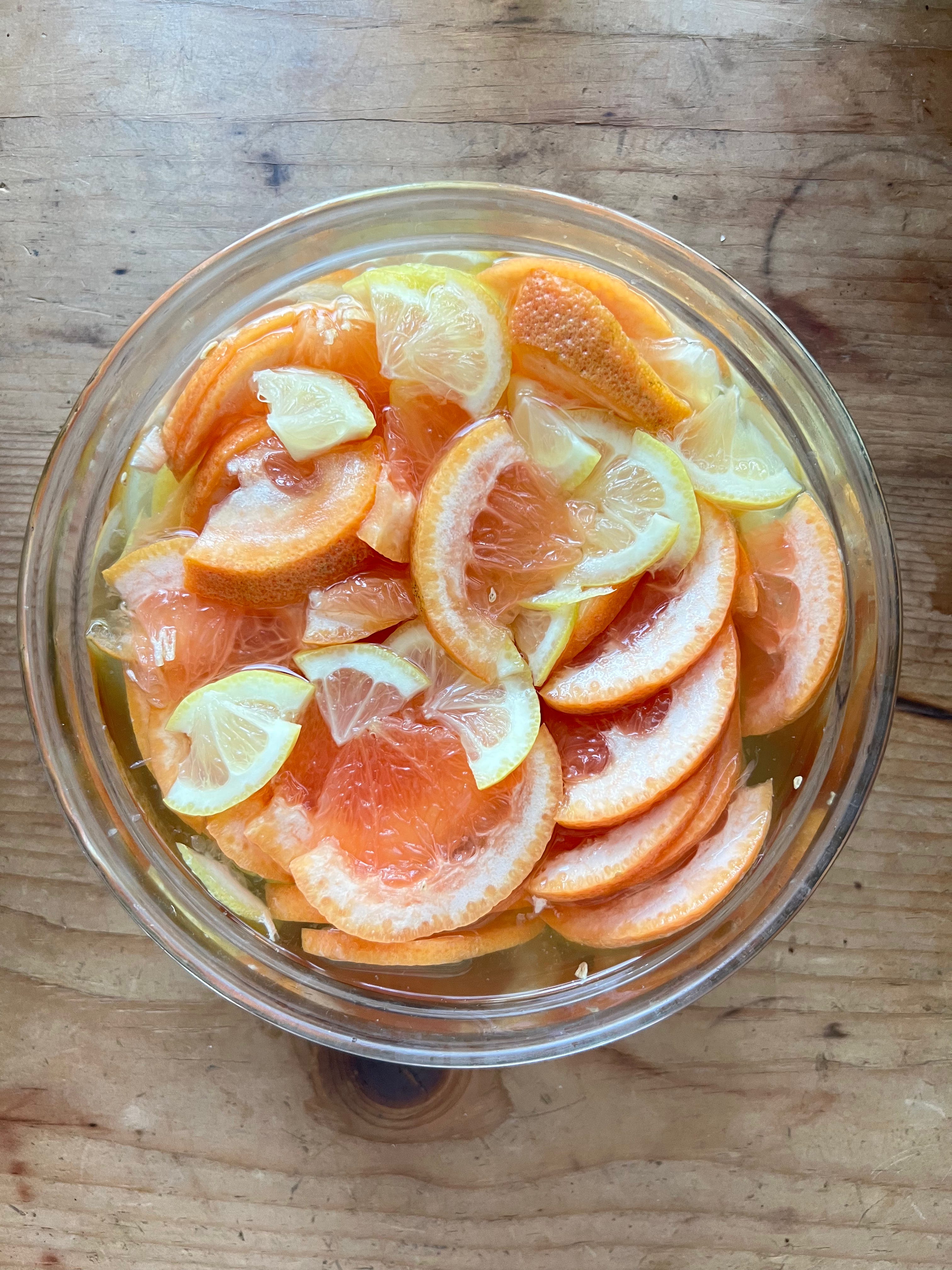
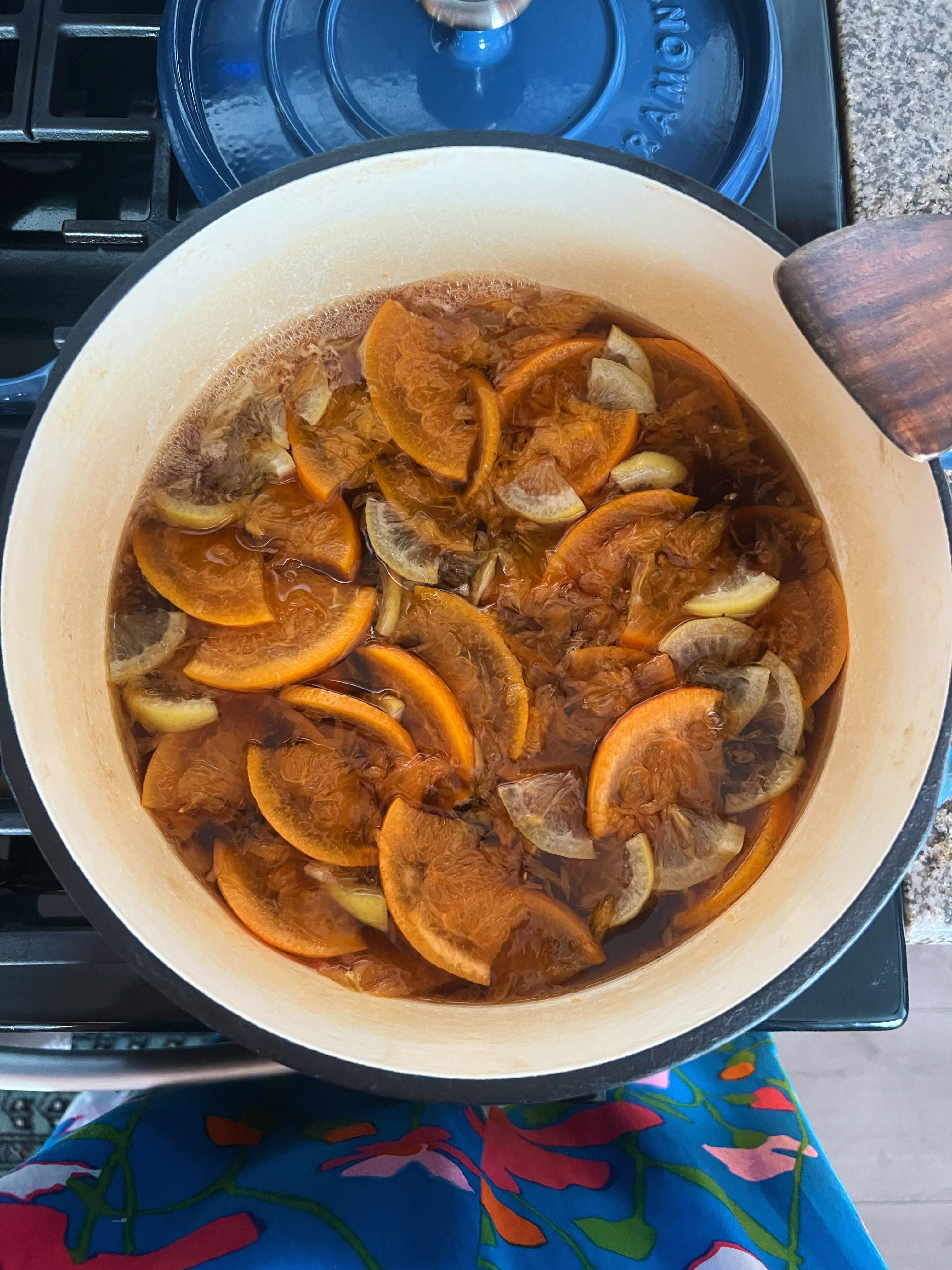
Full transparency: my first, second and third batch of marmalade were rough.
See Barb’s review:
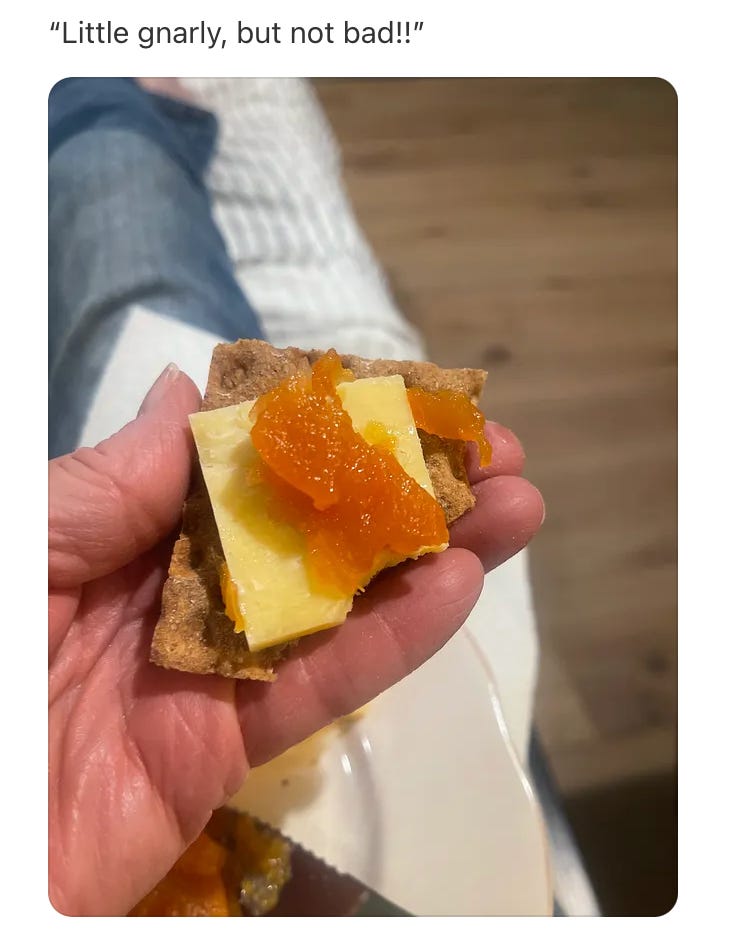
But hang in there. After a few tries, I got it down and actually found it to be super easy and, dare I say… fun.
Happy Baking!
Long live preserves
Impeccable